
Ledger® Live: Desktop® — Getting Started | official Ledger™
Ledger Live Desktop makes it simple to review wallet activity, monitor crypto holdings, manage accounts, and keep track of portfolio changes.
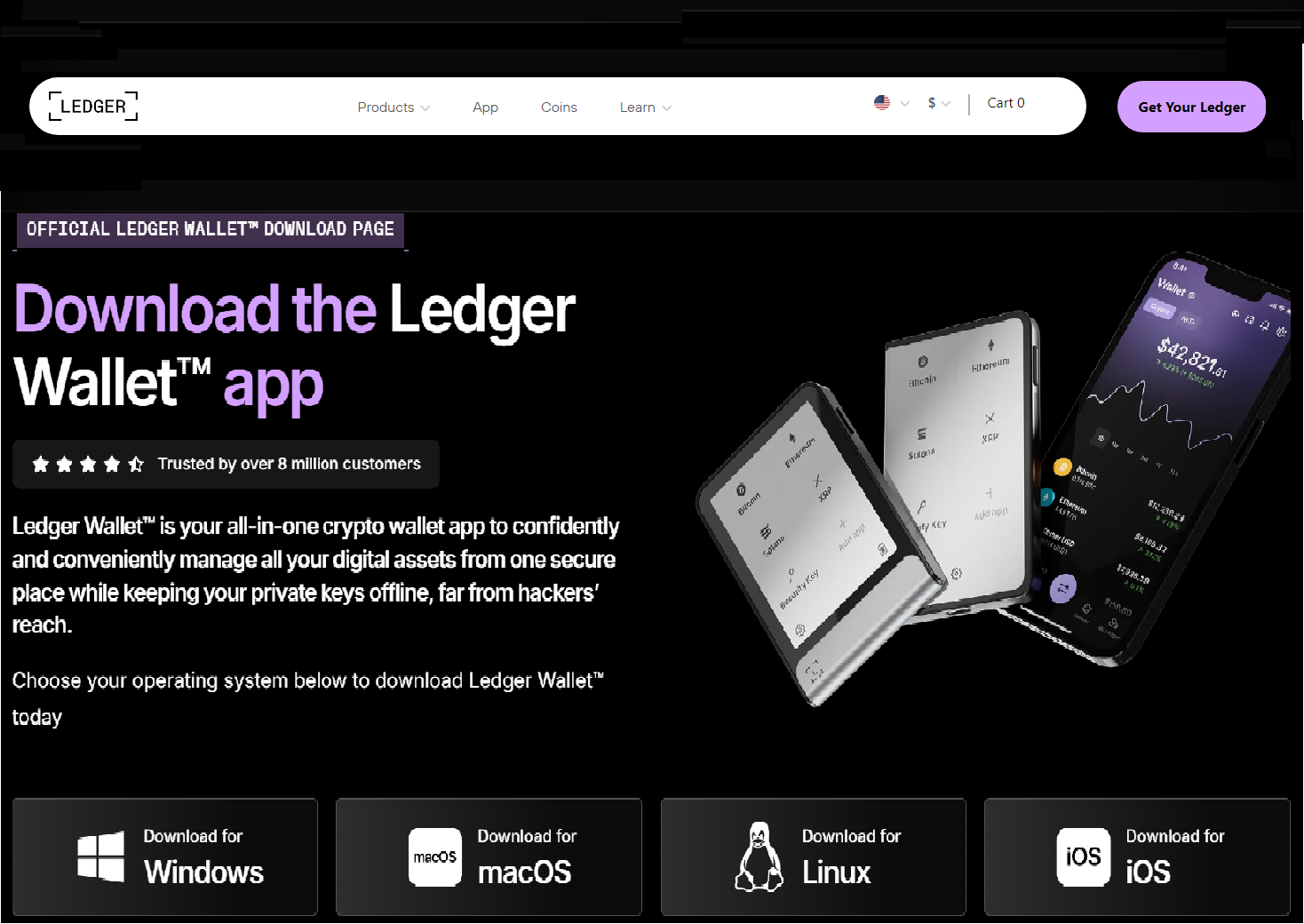
Ledger Live Desktop: How to Approach Wallet Management With Greater Confidence
Learning to manage cryptocurrency through a desktop wallet does not have to happen all at once. New users can build confidence by understanding the basic workflow, learning how to verify transactions, and developing practical security habits. Ledger Live Desktop provides a computer-based environment for interacting with a Ledger hardware wallet and managing supported wallet activities.
Begin With the Fundamentals
Start by learning the basic terms and functions you will encounter. Accounts, assets, addresses, networks, balances, and transactions are all useful concepts to understand.
You do not need advanced knowledge before beginning. Focus on understanding the functions you expect to use regularly.
Keep Your Setup Controlled
Use a trusted computer and avoid completing sensitive wallet tasks while using unknown networks, shared computers, or unfamiliar software.
A controlled environment makes it easier to identify unusual activity and reduces unnecessary distractions.
Understand What You See
When reviewing your wallet, do not focus only on the balance. Learn to recognize your account information and transaction history.
Understanding what normal activity looks like can make unfamiliar transactions or unexpected changes easier to investigate.
Think Before You Send
Sending cryptocurrency should always involve deliberate verification. Check the destination address, asset, network, amount, and relevant transaction information before approving anything.
If the information does not match your intention, stop and review the details again.
Use the Hardware Wallet as a Verification Point
When an important transaction requires confirmation on your hardware wallet, carefully review the information presented there. Do not approve an action simply because the computer screen looks familiar.
Taking a few extra seconds to verify details can help you avoid careless approvals.
Treat Recovery Information Differently
Recovery information should remain private throughout your wallet's use. It should never be entered into random websites or given to people who contact you unexpectedly.
Public wallet information and private recovery information have different purposes, and understanding that distinction is essential for beginners.
Watch for Social Engineering
Some threats do not rely on complicated technology. A convincing message, urgent warning, or fake support conversation may attempt to persuade you to reveal information or approve an action.
Whenever someone creates pressure around your wallet, pause and verify the request independently.
Develop a Repeatable Routine
Confidence comes from repetition and understanding. A useful routine can be:
- Open the legitimate wallet application.
- Review the correct account.
- Decide exactly what you want to do.
- Verify the relevant information.
- Confirm the action only when everything matches.
This approach keeps everyday wallet management straightforward.
Keep Learning Gradually
As you become comfortable with the basics, you can explore additional wallet functions at your own pace. Learning gradually allows you to understand new features before depending on them for important transactions.
Conclusion
Ledger Live Desktop can provide a practical desktop environment for users managing cryptocurrency with a Ledger hardware wallet. Building confidence starts with understanding the fundamentals, verifying transaction details, protecting recovery information, and maintaining a consistent workflow.
Rather than rushing to learn everything, focus on the functions you need and develop careful habits that you can apply every time you use your wallet.
Updated about 3 hours ago