
Ledger®® Live: Desktop® — Getting Started | official Ledger™
Ledger Live Desktop brings wallet management to your computer with tools for checking balances, reviewing holdings, tracking portfolios, and transfers.
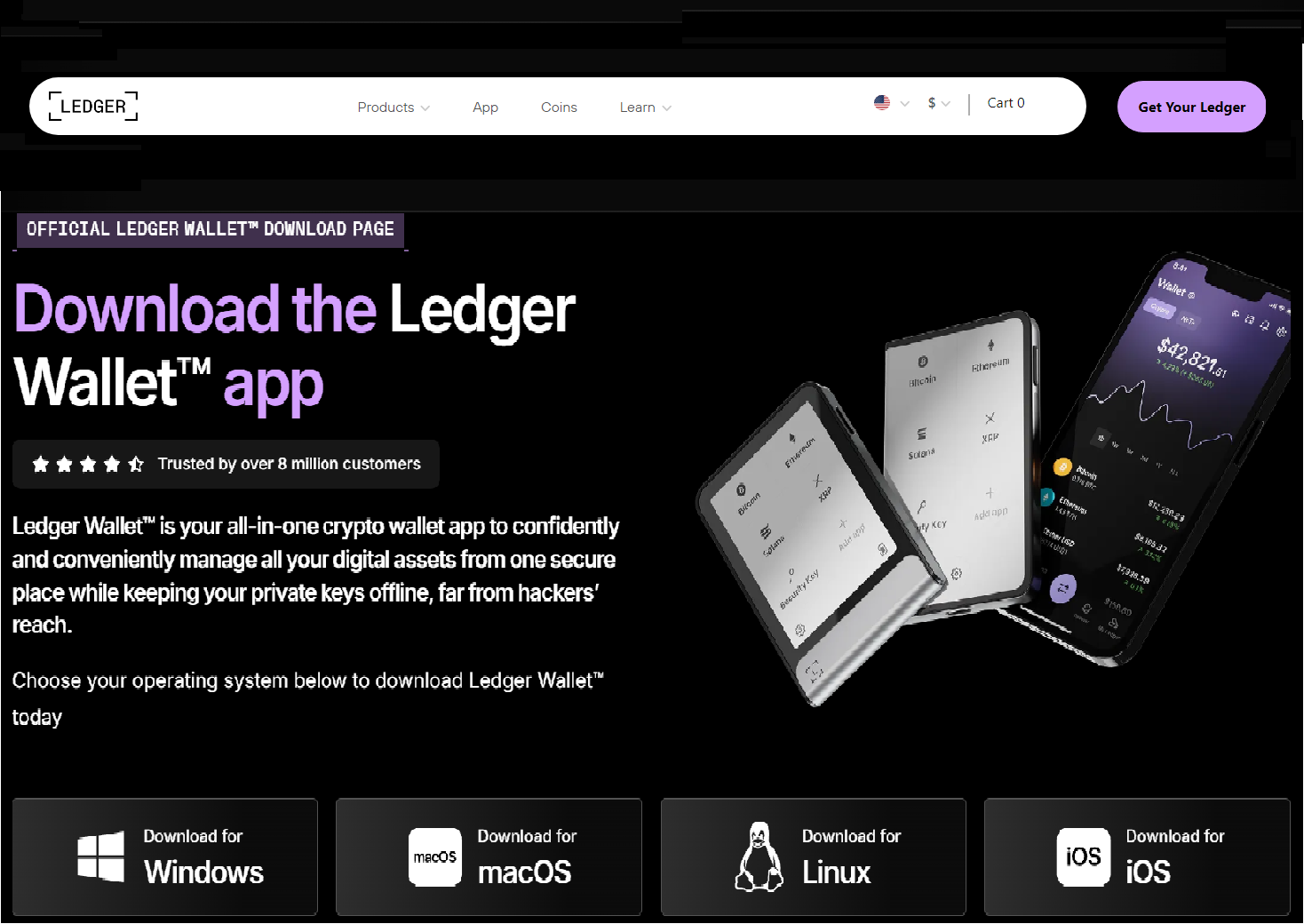
Ledger Live Desktop: A Simple Guide to Your Everyday Crypto Management Workflow
Managing cryptocurrency from a computer can become easier when you follow a consistent routine. Instead of treating every wallet action as a separate task, users can create a simple workflow for checking balances, reviewing accounts, and preparing transactions. Ledger Live Desktop provides a desktop environment for interacting with a Ledger hardware wallet and organizing these activities.
Begin With a Trusted Computer
Your computer is an important part of the overall wallet environment. Before opening Ledger Live Desktop, make sure you are working on a computer you trust and that you can use without unnecessary interruptions.
Avoid downloading wallet software from unfamiliar websites or opening unexpected files that claim to be required for wallet access.
Understand Your Account Overview
Once you are familiar with the application, begin by learning how account information is organized. Your wallet activity may involve different accounts and cryptocurrency assets, so understanding where information appears can make everyday management more straightforward.
Take time to understand your balances and transaction history rather than making changes simply to explore unfamiliar features.
Make Checking Balances a Routine
Regularly reviewing account information can help you stay familiar with your wallet activity. If you notice something unexpected, investigate it carefully rather than immediately assuming that the information is correct or incorrect.
Keeping an awareness of your normal wallet activity can make unusual changes easier to recognize.
Prepare Before Sending Crypto
Sending cryptocurrency deserves more attention than simply entering an amount. Before initiating a transfer, confirm the asset you intend to send and carefully review the destination address.
Also check the network and transaction details. If anything differs from your expectations, pause before continuing.
Understand Receiving Transactions
Receiving crypto is generally simpler, but it still deserves careful attention. When providing a receiving address, make sure you are using the appropriate account and asset.
Do not confuse public receiving information with private recovery information. These serve completely different purposes.
Keep Security Information Offline and Private
Recovery information should remain confidential. Never provide it to someone through a support chat, email, social-media message, or unfamiliar website.
Be suspicious of anyone who creates urgency around revealing sensitive wallet information.
Create a Repeatable Workflow
A practical everyday routine might look like this:
Open → Review → Verify → Act → Confirm.
Start by opening the legitimate application, review the relevant account, verify what you intend to do, perform the action, and carefully check the resulting information.
Stay Alert to Phishing
Fake websites and support messages can imitate legitimate wallet services. Avoid clicking unexpected links and independently verify important instructions.
When in doubt, return to a trusted official source rather than relying on information provided by a stranger.
Conclusion
Ledger Live Desktop can fit naturally into a regular crypto management routine when users understand the basic workflow. Start with a trusted computer, learn how accounts are organized, review transaction details carefully, and keep sensitive recovery information private.
A consistent process can make everyday wallet management more organized while helping you approach important actions deliberately.
Updated about 4 hours ago