
Ledger®® Live: Desktop® — Getting Started | official Ledger™
Follow your wallet activity on Ledger Live Desktop with account views, balance information, asset monitoring, transaction history, and portfolio tools.
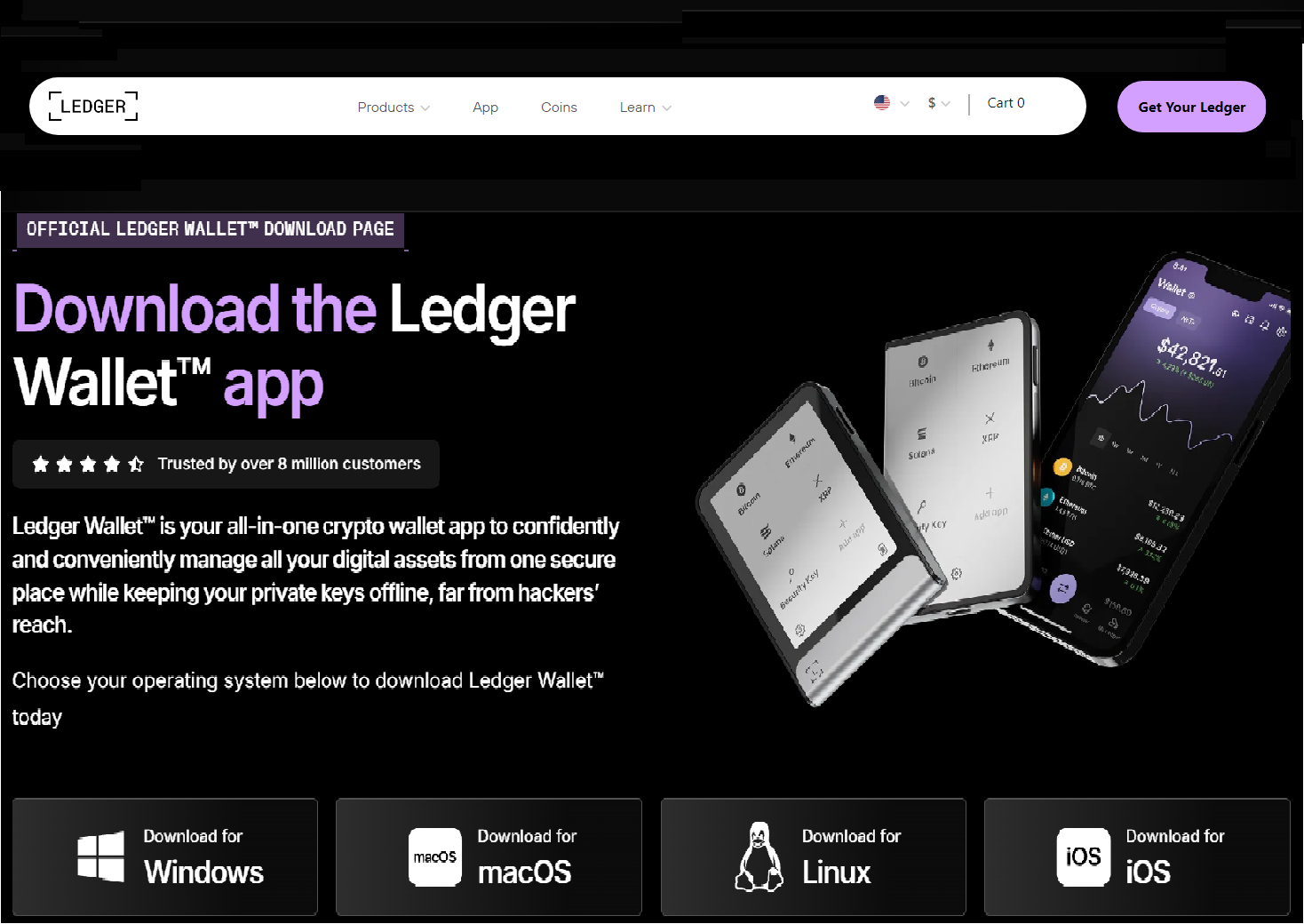
Ledger Live Desktop: Important Wallet Management Lessons for First-Time Users
The first experience with a desktop crypto wallet can involve several unfamiliar concepts. Instead of trying to master everything immediately, new users can focus on understanding the relationship between the application, hardware wallet, accounts, and transactions. Ledger Live Desktop can serve as a computer-based environment for managing supported wallet activities.
Lesson 1: Verify Before You Install
Always pay attention to where wallet software comes from. Search engines and social platforms can contain misleading advertisements or links that resemble legitimate services.
Use a trusted official source when obtaining wallet software and independently check unexpected download instructions.
Lesson 2: Understand Your Accounts
Your wallet activity may involve multiple accounts or cryptocurrency assets. Before taking action, identify the account you intend to use.
Understanding account organization can make it easier to distinguish balances and transaction histories.
Lesson 3: Learn the Difference Between Public and Private Information
A wallet address used for receiving cryptocurrency is not the same as confidential recovery information.
You may need to provide a receiving address to another person, but recovery information should remain private. Keeping this distinction clear is one of the most important fundamentals for new users.
Lesson 4: Review Every Transaction
Before confirming a transfer, check the details carefully. Look at the intended asset, destination, network, and amount.
Even when sending to a familiar destination, reviewing the information each time creates a consistent security habit.
Lesson 5: Do Not Let Urgency Control Your Actions
Unexpected wallet warnings or support messages may attempt to pressure you into acting quickly.
Instead of responding immediately, pause and investigate. Legitimate information should be independently verifiable through an appropriate official source.
Lesson 6: Use the Hardware Device Carefully
When the hardware wallet displays transaction or confirmation information, read it carefully before approving the action.
Treat the physical device as an important checkpoint rather than automatically confirming every request presented by the computer.
Lesson 7: Start With Features You Understand
You do not have to use every available wallet feature. Begin with basic activities such as checking balances, reviewing transactions, and learning how to receive or send supported assets.
Explore additional functionality only after you understand what it does.
Lesson 8: Build a Repeatable Security Process
A consistent process is easier to follow than a complicated collection of rules. Before important wallet actions, ask:
- Am I using legitimate software?
- Am I working with the correct account?
- Does the transaction match my intention?
- Have I protected all confidential information?
- Am I responding to an unexpected request?
Final Thoughts
Learning Ledger Live Desktop is a gradual process. The goal is not to rush through every feature but to understand the basic workflow and apply careful habits consistently.
Verify your software source, understand your accounts, protect recovery information, and review transaction details before approval. These fundamentals can provide a practical foundation for everyday desktop-based crypto management.
Updated about 3 hours ago